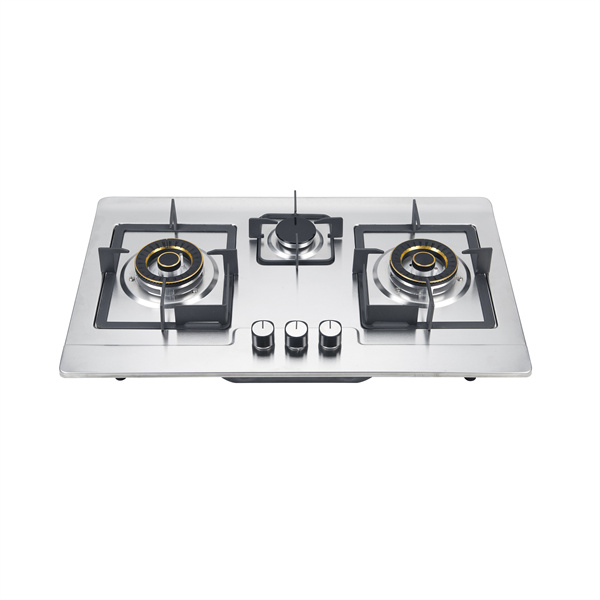
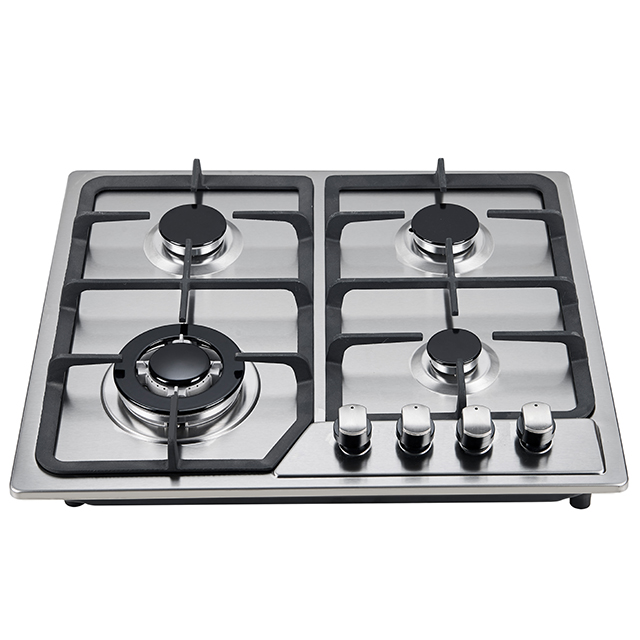
**Gas Stove Emissions Raise Health Concerns Nationwide**Recent studies on indoor air quality have brought renewed attention to the emissions produced by gas stoves, highlighting their potential impact on public health. As households across the country continue to rely on gas stoves for cooking, concerns about the pollutants released during their operation have prompted experts and policymakers to advocate for greater awareness and cleaner alternatives.### Understanding Gas Stove EmissionsGas stoves operate by burning natural gas or propane to produce heat. While effective and common in many kitchens, this combustion process emits several pollutants, including nitrogen dioxide (NO2), carbon monoxide (CO), and particulate matter (PM). These substances can accumulate indoors, often reaching levels that exceed outdoor air quality standards.Nitrogen dioxide is particularly concerning because it can irritate the respiratory system, exacerbate asthma, and contribute to the development of chronic lung diseases. Carbon monoxide, often called the "silent killer," is odorless and colorless, and high concentrations can be fatal. Additionally, fine particulate matter can penetrate deep into the lungs and enter the bloodstream, worsening cardiovascular and respiratory conditions.### Health Implications of Prolonged ExposureNumerous health experts warn that exposure to gas stove emissions is linked to respiratory problems, particularly in vulnerable populations such as children, the elderly, and individuals with pre-existing respiratory illnesses. A growing body of research correlates indoor exposure to NO2 and PM with increased asthma attacks, bronchitis, and other respiratory ailments.According to recent epidemiological data, children living in homes with gas stoves are more likely to develop asthma or experience frequent asthma symptoms. The problem intensifies in regions where homes lack proper ventilation, causing pollutants to linger and accumulate during cooking sessions.### The Role of Ventilation and Safe PracticesExperts emphasize the importance of adequate kitchen ventilation to mitigate the risks associated with gas stove emissions. Using range hoods vented to the outside, opening windows during cooking, and ensuring regular maintenance of gas appliances can significantly reduce indoor pollutant concentrations.However, many households lack effective ventilation systems, either due to building design constraints or lack of awareness. This gap highlights the need for educational campaigns to inform consumers about the importance of ventilation and regular appliance checks.### Industry’s Response and InnovationRecognizing these challenges, manufacturers and energy companies have begun investing in cleaner cooking technologies and solutions to reduce indoor air pollution. Innovations include electric induction cooktops, which eliminate combustion emissions, and improved gas stove designs that burn fuel more efficiently, thereby minimizing pollutant release.Some companies have also developed smart kitchen appliances equipped with sensors that monitor air quality and activate ventilation systems when emissions rise above safe levels. These advancements represent a promising step toward healthier indoor environments.### Policy and Regulatory DevelopmentsIn response to emerging evidence, several local governments are considering regulations to improve indoor air quality related to cooking emissions. Potential measures under discussion include mandating the installation of vented range hoods in new constructions, incentivizing the transition to electric cooking appliances, and setting stricter indoor air quality standards.Public health advocates argue that such policies are essential to protect populations from the hidden dangers of household air pollution, which often receives less attention compared to outdoor air pollution sources like vehicle emissions and industrial activity.### Company Introduction{} is a leader in energy solutions, committed to advancing clean and efficient technologies to improve daily living. With a longstanding history of innovation and customer service, the company focuses on providing sustainable energy services and products that promote healthier environments.The company's portfolio includes developing state-of-the-art cooking appliances, energy-efficient home systems, and smart solutions that enable customers to monitor and control their energy consumption while minimizing environmental impact.Through partnerships with research institutions and public agencies, {} actively participates in efforts to raise awareness about indoor air quality and the health implications of cooking emissions. The company’s mission aligns with the broader goal of fostering healthier homes and communities by integrating advanced technology with practical, user-friendly applications.### Looking AheadAs concerns over gas stove emissions gain traction, consumers, industry players, and policymakers must collaborate to foster safer indoor environments. Transitioning to cleaner cooking technologies, improving home ventilation, and adopting responsible usage practices are key strategies to reduce harmful emissions.Meanwhile, {} continues to innovate and support initiatives aimed at enhancing indoor air quality and promoting sustainable energy use. Together, these efforts contribute to a future where households can enjoy the benefits of modern cooking appliances without compromising their health.For residents concerned about gas stove emissions, experts recommend assessing their kitchen ventilation, considering electric or induction alternatives where feasible, and staying informed about ongoing research and regulations that may affect indoor air quality standards.---*This article is based on recent findings and industry developments regarding gas stove emissions and the commitment of leading energy solution providers like {} to improve indoor air quality and public health.*
Read More