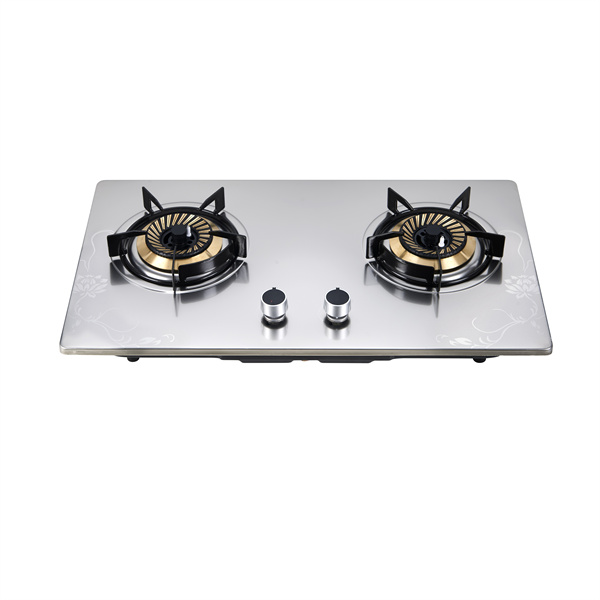
**Gas Stove or Electric: Which is the Better Choice for Your Kitchen?**In today’s modern kitchens, the debate between gas stoves and electric cooktops continues to be a topic of interest among homeowners and culinary enthusiasts alike. Both options have their unique advantages and drawbacks, and choosing the right stove depends on various factors, including cooking preferences, energy efficiency, environmental impact, and kitchen design. This article explores these critical aspects to help you make an informed decision for your next kitchen upgrade.### A Brief Overview of Gas and Electric StovesGas stoves use natural gas or propane to generate an open flame beneath the cookware. This traditional cooking method offers rapid heat control that many chefs and home cooks favor. In contrast, electric stoves utilize heated coils or smooth ceramic surfaces powered by electricity to cook food evenly by direct heat transfer.### Advantages of Gas StovesOne of the main reasons gas stoves remain popular is their fast and precise heat control. When you turn the knob, the flame height increases or decreases instantly, allowing for immediate temperature adjustments. This responsiveness is ideal for cooking techniques that require quick changes in heat, such as sautéing or simmering.Additionally, gas stoves provide visible flames, which many users find easier to judge when cooking, ensuring better control over the doneness of dishes. Gas models also tend to work during power outages, a considerable advantage in areas prone to electrical disruptions.### Advantages of Electric StovesElectric stoves have improved significantly over the years, offering sleek designs and consistent heating performance. Modern electric cooktops, especially those with induction technology, provide rapid and energy-efficient heating while also allowing for precise temperature control.Electric stoves are often easier to clean, particularly models with smooth, glass-ceramic surfaces that prevent food debris from getting trapped in burners. Moreover, they do not produce any open flame, reducing the risk of gas leaks or fire hazards, which can be an important safety consideration for some households.### Energy Efficiency and Environmental ImpactFrom an environmental perspective, the choice between gas and electric cooking appliances can have implications. Gas stoves emit carbon dioxide and methane, both greenhouse gases, directly into the kitchen environment. On the other hand, electric stoves rely on the source of electricity generation – if powered by renewable energy, electric cooking can have a much lower carbon footprint.In terms of energy efficiency, induction cooktops, a subset of electric stoves, are currently the most efficient option, converting nearly 90% of their energy into heat transferred to the cookware. Gas stoves have a lower efficiency rating due to heat loss in the flame and surrounding air.### Cost ConsiderationsWhen planning a kitchen renovation, budget is always a crucial factor. Gas stoves often come with a higher installation requirement due to the need for gas lines and proper ventilation, which can increase upfront costs. Conversely, electric stoves typically require simpler installation but might incur higher operating costs depending on local electricity prices.### Safety and MaintenanceSafety concerns differ between the two stove types. Gas stoves require careful handling to avoid gas leaks and ensure proper ventilation to prevent buildup of harmful gases such as carbon monoxide. Electric stoves eliminate these risks but pose the potential hazard of hot surfaces.Maintenance is generally easier with electric stoves, especially those with smooth tops. Gas stoves can be more challenging to clean due to burners and grates, but they are known for their durability and long service life.### Making the Right Choice for Your HomeSelecting between a gas stove and an electric cooktop ultimately depends on your cooking style, kitchen setup, and environmental considerations. If you value immediate heat control and often cook meals requiring precise temperature adjustments, a gas stove might be ideal. Conversely, if you prefer a sleek, easy-to-clean surface and want to reduce your environmental impact, an electric stove—especially induction—is worth considering.### About the Company{Insert company introduction here}This company specializes in providing high-quality kitchen appliances designed to meet the diverse needs of modern households. With a commitment to innovation, safety, and sustainability, the company offers a wide range of gas and electric stoves that cater to both traditional cooking preferences and contemporary kitchen aesthetics. Their products combine advanced technology with user-friendly design, ensuring that customers can enjoy superior cooking experiences regardless of their stove choice.---In conclusion, both gas and electric stoves have their merits and limitations. By understanding the nuances of each type, consumers can better align their choice with their lifestyle, cooking demands, and environmental values. Whether turning the dial to summon a blue flame or gliding a pan across a smooth electric surface, the perfect stove is the one that suits your unique kitchen vision.
Read More