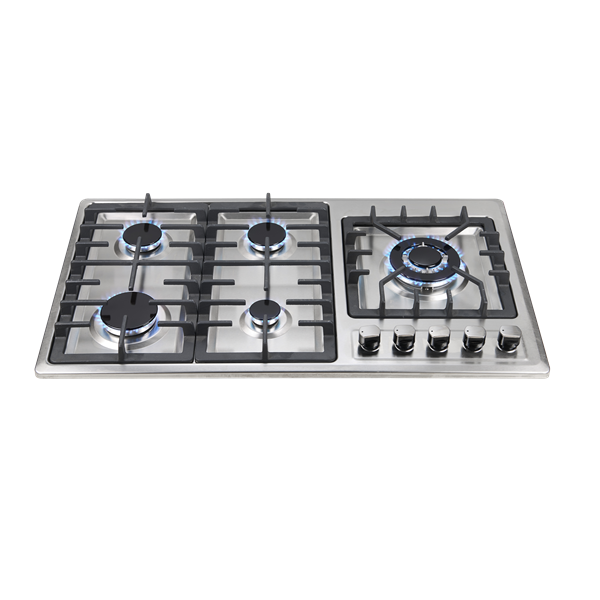
**Innovative Gas Cooktop 30 Inch 5 Burner Sets New Standards in Kitchen Excellence**In the fast-evolving world of kitchen appliances, innovation and performance remain paramount. The recently launched Gas Cooktop 30 Inch 5 Burner stands out as a game-changer, combining advanced technology, user-friendly design, and robust functionality. This new addition promises to elevate cooking experiences for both amateur cooks and seasoned chefs alike, transforming everyday meal preparation into an inspiring activity.**Sleek Design Meets Functional Superiority**The Gas Cooktop 30 Inch 5 Burner is meticulously crafted to blend seamlessly into modern kitchen environments while delivering superior performance. Measuring 30 inches, it offers a balanced footprint suitable for a variety of kitchen sizes—from cozy urban condos to spacious homes. The five burners provide versatile cooking options, accommodating everything from high-heat searing to gentle simmering.Designed with premium materials, the cooktop features a resilient surface that resists stains, scratches, and heat damage. The layout prioritizes ease of use: burners are strategically positioned to maximize workspace and minimize interference between pots and pans. A state-of-the-art ignition system ensures quick, reliable starts with each use, increasing convenience and safety.**Enhanced Cooking Versatility with Five Burners**One of the prominent features setting this gas cooktop apart is the inclusion of five burners, each engineered for specific heat outputs. The variety ranges from a powerful high-BTU burner ideal for boiling or frying, to smaller, low-BTU burners perfect for slow cooking and warming. This variability supports a wide array of cooking techniques, enabling multitasking across diverse ingredients and recipes.The burners also incorporate precision flame control technology. Users can adjust heat levels with great accuracy, fostering better control over cooking processes. Whether it’s delicate sauces requiring steady low temperatures or rapid stir-fries benefiting from intense heat, this cooktop adapts seamlessly.**Safety and Efficiency at the Forefront**Besides performance, safety is a crucial factor in kitchen appliance design, and the Gas Cooktop 30 Inch 5 Burner addresses this comprehensively. Integrated flame failure devices automatically shut off the gas if the flame extinguishes unexpectedly, protecting households from potential hazards. Additionally, the cooktop’s robust construction and stable pan supports reduce the risk of spills and accidents.Energy efficiency has also been optimized. The burners are designed to maximize heat transfer directly to cookware, minimizing energy waste. This efficiency not only helps users save on utility bills but also aligns with growing consumer preferences for environmentally responsible products.**User-Centric Features for Seamless Operation**User convenience is central to the cooktop’s design philosophy. Easy-to-clean surfaces mean maintenance requires minimal effort, encouraging longer use and sustained appliance quality. The control knobs are ergonomically shaped and positioned for intuitive operation, while clear markings provide quick reference to heat settings.Furthermore, the cooktop’s compatibility with a variety of cookware sizes enhances its adaptability. Whether users prefer large stockpots, medium frying pans, or small saucepans, each burner can accommodate the corresponding vessel securely and effectively.**A Trusted Partner in Kitchen Innovation**This new Gas Cooktop 30 Inch 5 Burner comes from a company with a proven track record in kitchen appliance excellence. With a commitment to innovation, quality, and customer satisfaction, the company has consistently delivered cutting-edge products that blend technology and design. Their expertise in manufacturing reliable, durable kitchenware has earned them a loyal customer base and recognition across multiple markets.Known for leveraging state-of-the-art technology in product development, the company invests heavily in research and development to stay ahead of industry trends. The launch of this gas cooktop symbolizes their ongoing dedication to enhancing kitchen functionality and style.**Customer-Centric Approach and After-Sales Support**Understanding that purchasing a kitchen appliance is a significant investment, the company backs the Gas Cooktop 30 Inch 5 Burner with comprehensive warranties and responsive customer support services. Their well-trained support teams assist users with installation guidance, maintenance tips, and troubleshooting advice, ensuring a hassle-free ownership experience.This customer-centric approach has reinforced the brand’s reputation as a reliable and customer-friendly leader in kitchen appliances.**The Future of Cooking Starts Today**As home cooking continues to surge in popularity, driven by a renewed interest in health, creativity, and family time, appliances like the Gas Cooktop 30 Inch 5 Burner play a pivotal role in meeting evolving consumer needs. By combining versatility, safety, efficiency, and elegant design, this cooktop is poised to become a staple in kitchens worldwide.In addition to supporting everyday cooking, the five burner setup empowers users to experiment with complex recipes involving multiple dishes simultaneously, streamlining meal preparation. This innovation underscores the company’s vision to inspire culinary creativity and enhance lifestyle quality through superior appliances.**Availability and Market Launch**The Gas Cooktop 30 Inch 5 Burner is now available through a variety of retail partners and the company’s official sales channels. Early customer feedback highlights its performance reliability and ease of use, signaling strong market reception.Potential buyers are encouraged to explore detailed product specifications and features on the company’s website, where dedicated resources provide insights and usage tips. Special promotions accompanying the launch offer attractive value propositions, inviting consumers to upgrade their kitchens with cutting-edge technology at competitive prices.**Conclusion**This new Gas Cooktop 30 Inch 5 Burner epitomizes the cutting edge of kitchen appliance technology—combining design sophistication, functional excellence, and user-focused features. As kitchens continue to evolve into multi-purpose spaces, such appliances will remain integral to making everyday cooking more enjoyable, efficient, and inspired.Backed by the trusted company’s years of expertise and commitment to quality, this gas cooktop promises not only outstanding performance but also a long-lasting, safe, and energy-efficient cooking solution. For anyone seeking to enhance their culinary environment, this product marks an exciting step forward.
Read More